Cerebral palsy group homes in Clearwater, Florida
With cerebral palsy the honest answer depends on the house, not on the website. Mobility, bathrooms and doorways are physical facts, and we would rather tell you which of our three homes fits before you drive over.
Three licensed homes in Clearwater. Every resident has a private bedroom.
What living here looks like
- Support with the parts of a day that take longer — dressing, transfers, meals — from people who are not rushing.
- Equipment that belongs to the person stays with the person, and we work with the therapists and suppliers already involved rather than starting over.
- Help with medications from staff trained and validated to give them under APD's rules.
- Getting out of the house. Appointments, day program, the ordinary trips that quietly stop happening when getting someone into a car is difficult.
- A straight answer about access. Our three homes are different buildings — call and ask about the specific one, and we will tell you what it can and cannot do.
We take anyone APD finds eligible. Our homes are licensed at the standard level. We support adults whose plans call for standard residential habilitation — if a plan calls for behavior focus or intensive behavior services, that is a different kind of home than ours, and we will tell you so rather than take a placement we are not licensed for.
Adults only. Our homes are for adults — 18 or older. APD serves children as well, but a Skycrest Place home is an adult home.
Who pays for it?
For an adult APD has found eligible and enrolled on the iBudget Medicaid Waiver, the waiver pays the home for the support. Room and board is separate and comes from the person's own income — two different things with two different payers, which is the part nobody explains.
Does Medicaid pay for a group home in Florida?What Florida's rule says about cerebral palsy
Two things in that definition surprise families. Florida's rule reaches beyond the prenatal period to significant motor dysfunction appearing before 18 from events such as oxygen deprivation or traumatic brain injury — and it specifically excludes motor problems caused by a stroke or by a progressive disease such as muscular dystrophy.
“Cerebral Palsy means a group of disabling symptoms of extended duration that result from damage to the developing brain during the prenatal period and characterized by paralysis, spasticity, or abnormal control of movement or posture, such as poor coordination or lack of balance, which is manifest prior to three years of age. For purposes of the rule, cerebral palsy also means the presence of other significant motor dysfunction appearing prior to age 18 due to perinatal or external events such as anoxia, oxygen deprivation, or traumatic brain injury. Excluded from this definition is motor dysfunction caused by medical events, including stroke or progressive diseases such as muscular dystrophy.”
APD determines eligibility — a home cannot, and we never try to. We explain what the published rules say and link the state sources they come from. This is not legal advice and it cannot tell you how an individual case will be decided; a Waiver Support Coordinator is the person who helps a family work through it.
Read from the adopted rule text on September 20, 2026. All eight conditions Florida recognizes.
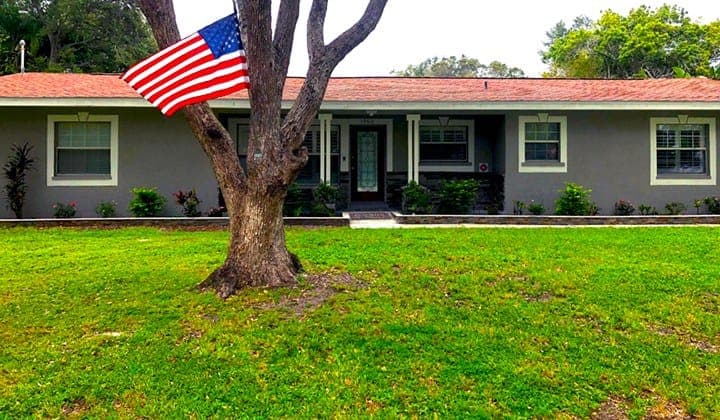
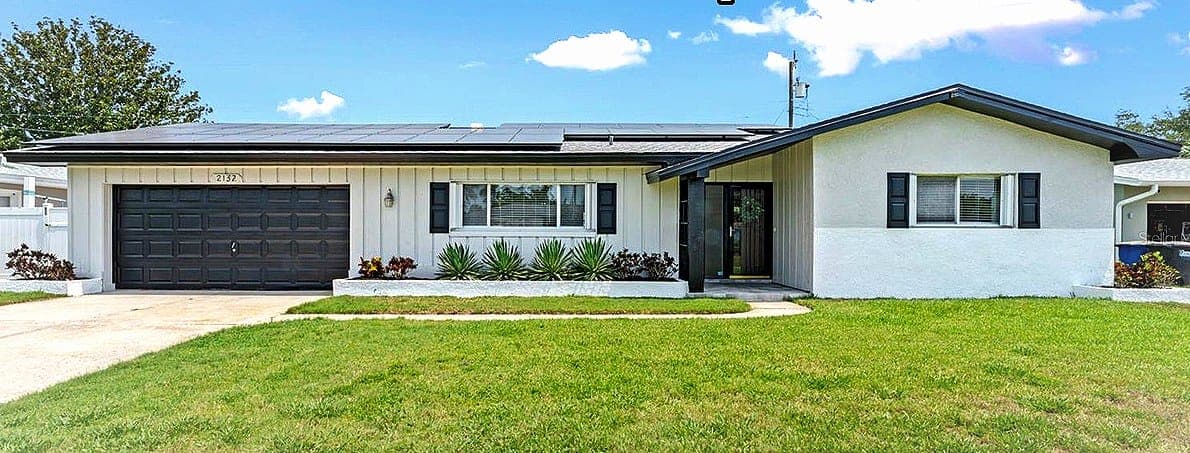
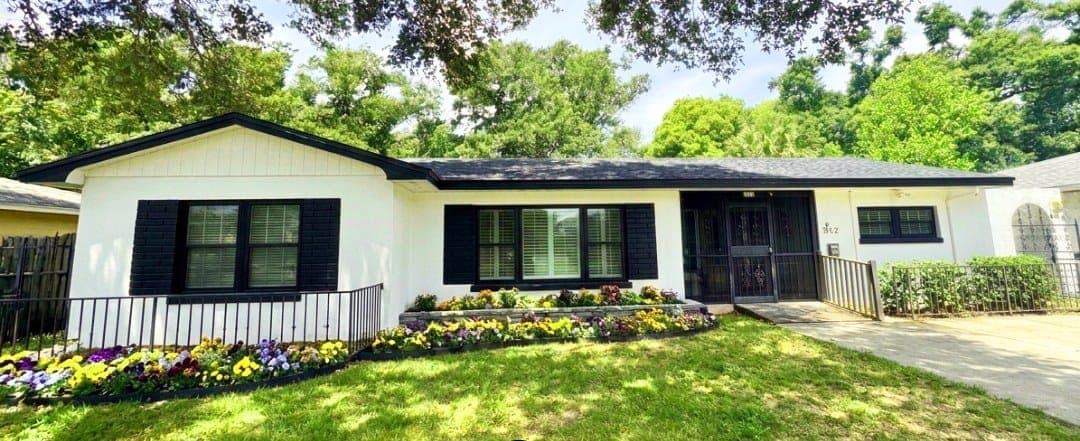
Our three homes, all in Clearwater
Questions families ask us
Does cerebral palsy qualify a person for APD services in Florida?
Cerebral palsy is one of the eight conditions named in Section 393.063(11), F.S. that can establish a developmental disability for Florida's Agency for Persons with Disabilities. APD makes the eligibility determination. Rule 65G-4.014(2), F.A.C. sets out Florida's own definition, which requires the impairment to constitute a substantial handicap reasonably expected to continue indefinitely.
Is a group home wheelchair accessible?
It depends entirely on the building, so it is the first question to ask any home rather than the last. Our three Clearwater homes are different houses with different layouts. Call 727.254.1196 and ask about the specific home, and we will tell you honestly what it can and cannot accommodate.
Does cerebral palsy caused by a stroke qualify in Florida?
No. Rule 65G-4.014(2), F.A.C. specifically excludes motor dysfunction caused by medical events including stroke, and by progressive diseases such as muscular dystrophy. Section 393.063, F.S. likewise states that cerebral palsy does not include symptoms or impairments resulting solely from a stroke. APD makes each determination, and a Waiver Support Coordinator can help a family work through it.
Other conditions APD serves
Come and see one
You will learn more in twenty minutes in a house than in a week of reading. Call 727.254.1196 or send a note and we will arrange a visit.