Group homes for autistic adults in Clearwater, Florida
An autistic adult needs the same thing anyone needs from a home: people who know them well enough to read them. Here is what that looks like in a small house in Clearwater, and how placement actually works in Pinellas County.
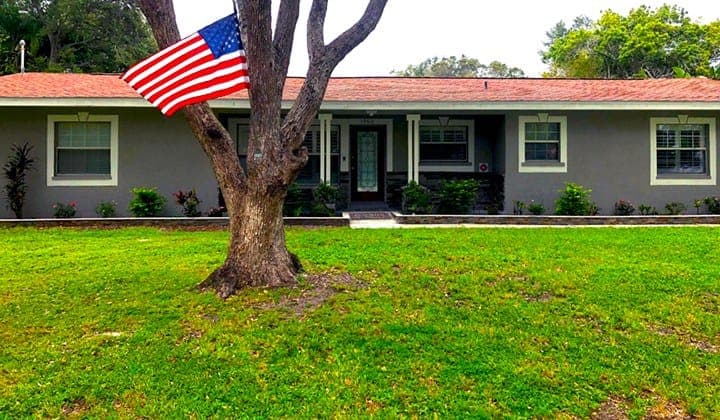
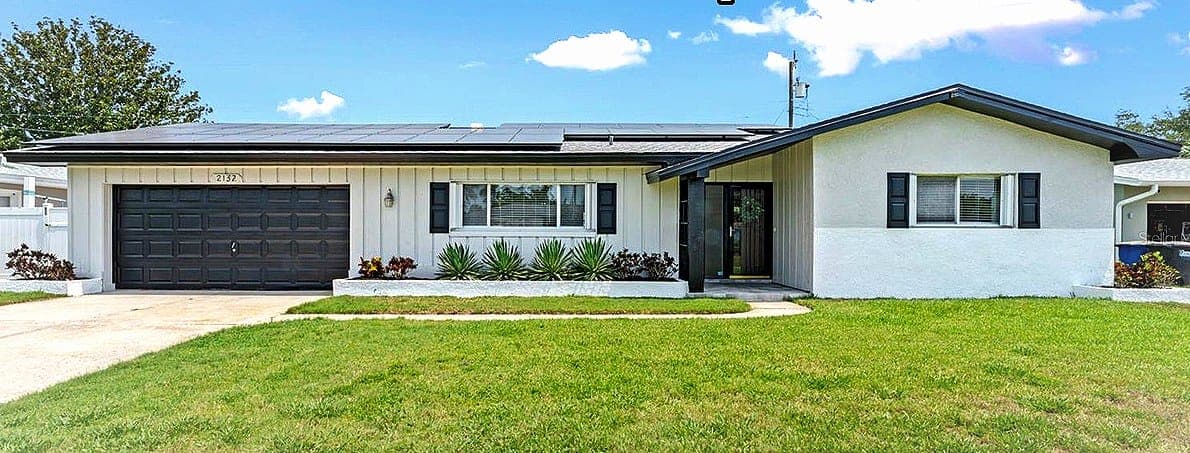
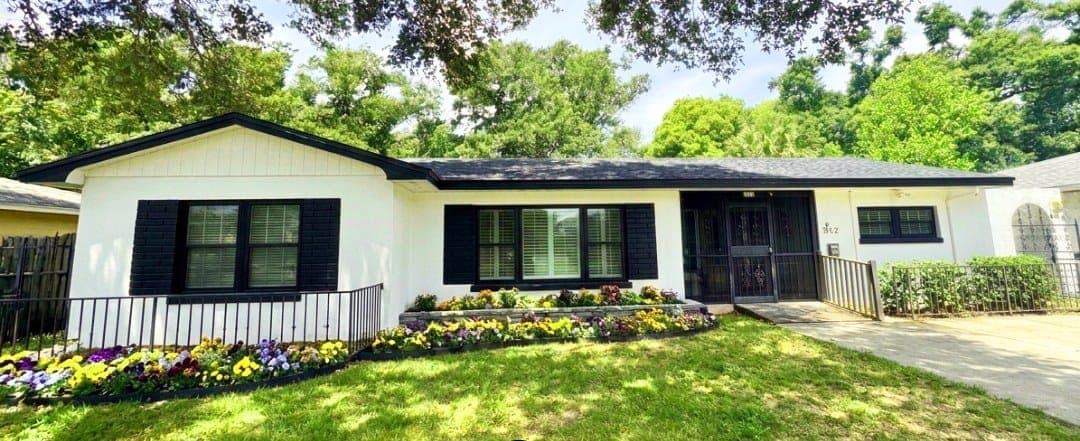
Three licensed homes in Clearwater. Every resident has a private bedroom.
What living here looks like
- Routine that holds. The same staff, the same rhythm to a day, and warning before anything changes — which is most of what makes a house feel safe rather than unpredictable.
- Communication however it works for the person. Speech, a device, signs, pictures, or the particular way someone lets you know they have had enough. Staff learn the individual signals, not a generic list.
- Somewhere to go when it is too much. A private bedroom that is genuinely theirs, every time, in every one of our homes — we do not share rooms.
- Help with medications from staff trained and validated to give them under APD's rules.
- A real week. Day program or work, outings, the beach, a normal social life — not a building people sit inside.
We take anyone APD finds eligible. Our homes are licensed at the standard level. We support adults whose plans call for standard residential habilitation — if a plan calls for behavior focus or intensive behavior services, that is a different kind of home than ours, and we will tell you so rather than take a placement we are not licensed for.
Adults only. Our homes are for adults — 18 or older. APD serves children as well, but a Skycrest Place home is an adult home.
Who pays for it?
For an adult APD has found eligible and enrolled on the iBudget Medicaid Waiver, the waiver pays the home for the support. Room and board is separate and comes from the person's own income — two different things with two different payers, which is the part nobody explains.
Does Medicaid pay for a group home in Florida?What Florida's rule says about autism
Florida's rule does not ask what DSM level someone was given. It has its own definition and its own list of twelve features, and a person has to show at least six of them, including at least one behavior feature. That is why two people with the same diagnosis on paper can get different answers from APD.
“Autism means a condition which meets the requirements of Section 393.063, F.S., that the condition is: pervasive, meaning always present and without interruption; neurologically based, meaning that the condition is not the result of physical impairment; a developmental disability with age of onset during infancy or childhood; with extended duration, meaning that the condition reasonably can be expected to continue indefinitely into the future; causes severe learning disorders resulting in both severe communication disorders affecting both verbal and nonverbal skills, and severe behavior disorders.”
APD determines eligibility — a home cannot, and we never try to. We explain what the published rules say and link the state sources they come from. This is not legal advice and it cannot tell you how an individual case will be decided; a Waiver Support Coordinator is the person who helps a family work through it.
Read from the adopted rule text on September 20, 2026. All eight conditions Florida recognizes.
Our three homes, all in Clearwater
Questions families ask us
Are there group homes for autistic adults in Clearwater, Florida?
Yes. Skycrest Place runs three licensed APD group homes in Clearwater, in Pinellas County, for adults with developmental and intellectual disabilities, including autism. Every resident has a private bedroom. Placement is usually arranged with the person's Waiver Support Coordinator, and families are welcome to visit before deciding anything.
Does an autistic adult qualify for a group home in Florida?
Housing through APD follows eligibility, and APD makes that determination — not the home. Rule 65G-4.014(1), F.A.C. sets out Florida's own definition of autism and a list of twelve features, of which at least six must be present including at least one behavior feature. A person found eligible and enrolled on the iBudget Medicaid Waiver can have residential habilitation in a licensed group home funded through the waiver.
What does a group home do differently for an autistic resident?
The useful differences are small and daily: consistent staffing so the person is known rather than processed, predictable routine with warning before changes, communication supported in whatever form works for that person, and a private bedroom to retreat to. A good match depends far more on the particular house and the particular people than on anything a website can say.
Can an autistic adult with behavioral needs live in your homes?
Our homes are licensed at the standard level, so we support adults whose plans call for standard residential habilitation. If a support plan calls for behavior focus or intensive behavior services, that is a different level of home than ours and we will say so plainly rather than take a placement we are not licensed for.
Other conditions APD serves
Come and see one
You will learn more in twenty minutes in a house than in a week of reading. Call 727.254.1196 or send a note and we will arrange a visit.